I’d been fascinated with climbing for a long time. In college, I took a rock climbing class with my best friend. We were determined to get into the sport, but we were too broke to buy gear and we didn’t have a car. Before we knew it, college days were over and we were focused on starting our careers.
Fast-forward to having just turned 40. My body had been converting itself into fat. I wasn’t overweight, but I no longer felt fit. My lifelong passion, skiing and snowboarding, didn’t keep me physically active year-round, and in Maryland the season was getting a little shorter every year because of obvious global warming. My then-wife and I talked about rebalancing our lives, like we rebalanced our spending every year. We decided to put more time into taking care of ourselves and less time into working overtime, which had been our habit for many years.
In retrospect, this was the beginning of a long push for a better work-life balance.
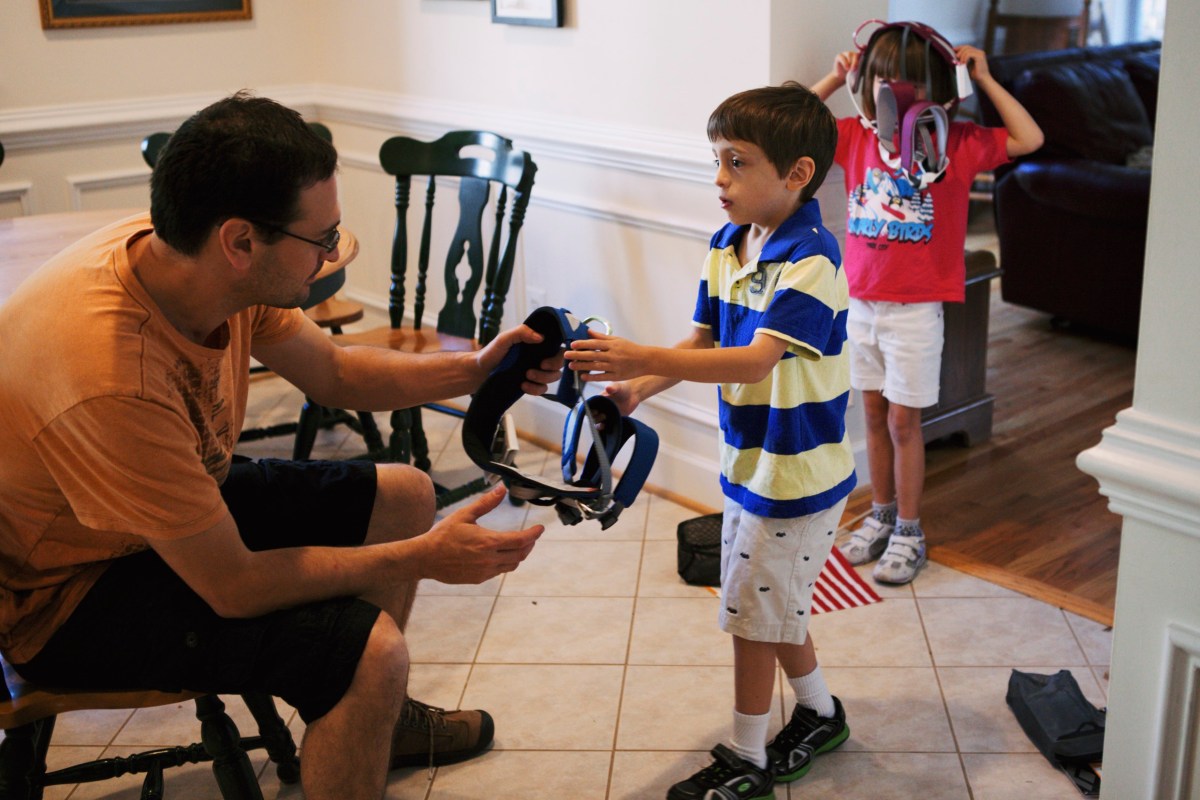
I took the kids to the local rock climbing gym, Earth Treks (now Movement) in Rockville, Maryland. At the time, Earth Treks Rockville was the largest climbing gym in the United States. The kids were instantly hooked, and so was I. A few weeks later I convinced my then-wife to try it. Although she resisted at first, she was also hooked. This investment into my physical well-being was one of the best decisions I’ve ever made.
Soon, we started buying our own gear. I scoured product reviews on Outside, Amazon, REI, Backcountry, Moosejaw, evo, and later, OutdoorGearLab, after its launch. (Of these, OutdoorGearLab does the best job of reviewing products. They have a consistent methodology, and they don’t get manufacturer kickbacks).
Climbing Harness
Harnesses cost about $50. As an aside, in college we learned how to tie old-school harnesses using tubular webbing, called a swami belt. Someday I’ll show up at the gym wearing a swami belt.
I started out with an entry-level all-purpose harness, and when that got old, I replaced it with a high end harness, and barely noticed any difference. I’ve now gone through several harnesses at various price points, and have barely noticed differences between them.
Buy any padded, all-purpose harness that feels comfortable. All-purpose harnesses are great for top-roping and sport climbing, both indoors and outdoors. (There are some specialized harnesses for specific applications, such as ultralight ones for alpine climbing, and larger/heavier harnesses with additional gear loops for multipitch climbing). You can also check OutdoorGearLab’s current reviews for women’s harnesses and men’s harnesses.
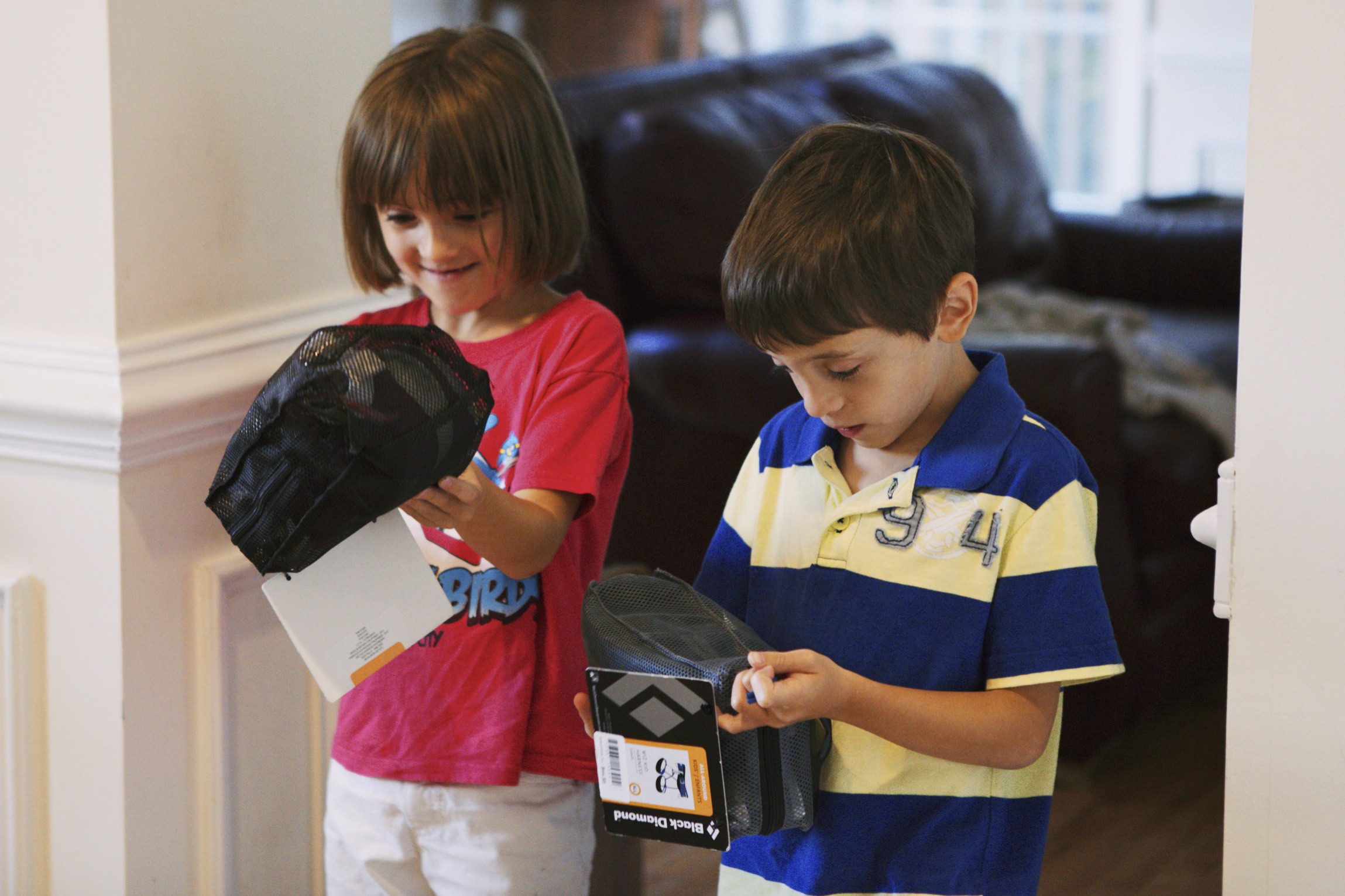
No matter what, you will need to replace your harness every 4-5 years, since the nylon eventually breaks down. Nylon breaks down faster if you let it get dirty, or if you leave it outside in the sun. Also, don’t store your harness or other climbing gear anywhere near a car battery, gasoline, paint thinner, other solvents, acids, or bleach, since the vapors from any of these will weaken nylon. There have been rare reports of harnesses disintegrating under body-weight load after being unknowingly exposed to a strong acid, probably sulfuric acid from a nearby car battery.
Climbing Shoes
I recommend getting comfortable shoes. This means an unlined leather “trad” shoe with flat soles. I’ve messed around with shoes, and the pain of aggressive shoes isn’t worth it. Aggressive shoes can hurt so much that they can turn people off from the sport, especially kids. I see climbers sending 5.12 in comfortable, non-aggressive shoes.
A bit of an overview: shoes come in three materials: old-fashioned unlined leather, synthetic, and lined leather. Old-fashioned unlined leather shoes are the most comfortable, break in well, and breathe well. Synthetic shoes don’t stretch at all so they are easy to fit at the store, but quickly develop an ungodly stench. Lined leather shoes are somewhere in the middle.
Shoes also come in two shapes, called ‘trad’ and ‘aggressive’. Trad shoes, named because they are popular for trad climbing, are flat-footed and more comfortable. Outdoor trad climbers need to keep their shoes on for long periods of time. Aggressive shoes have a pointy toe, downturned and asymmetrical sole, and narrow fit. They are usually uncomfortable and are used for competitive climbing.
La Sportiva Mythos are the gold standard for a comfortable trad shoe. Similar options include the Scarpa Helix, La Sportiva Tarantulance, and the discontinued FiveTen Moccasyms. They are all unlined leather and stretch to fit your feet like gloves. And, these shoes are ideal for climbing all-day multipitch routes outdoors.
To size unlined leather shoes like the Mythos, try on a few different sizes. The ideal size should be snug against your toes, but your toes should still be fully extended and they should not be uncomfortable. After you buy them, they’ll stretch and break in a little.
In past decades, there were fewer options for climbing shoes. Climbers would buy Mythos several sizes too small and then go to great lengths to break them in to fit their feet perfectly, like a glove. This sometimes involved soaking the shoes in hot water, and then wearing them around the house to break them in, putting up with the pain. With today’s product lineup, this no longer makes sense. If you want to prioritize performance over comfort then you are better off just buying aggressive shoes. If you’re prioritizing comfort, get the Mythos snug, but not too small.
One last word on the topic of shoe stink. Climbing shoes are notoriously stinky. Climbers usually wear their shoes barefoot and sweat a lot in them. Even leather shoes develop some stink. You could wear thin socks, which helps. We spray our shoes after every session with the enzyme-based Gear Aid Revivex Odor Eliminator (formerly McNett Mirazyme) and that works well. It is sold at REI and by Amazon. Climbing gyms use various sprays, such as Lysol, to keep their rental shoes smelling reasonably fresh.
I hope this helps someone. Climb on!
Summary Gear List
- Harness: Any new, all-purpose climbing harness.
Recommended: No recommendation. Most modern harnesses are about the same. Not much separates the most expensive harness from the cheapest ones. See current OutdoorGearLab reviews for women’s harnesses and men’s harnesses. - Climbing shoes: I prefer comfortable shoes (flat-soled, “trad” shoes), even for indoor climbing. And they’re great for outdoor climbing!
Recommended: La Sportiva Mythos ($$), La Sportiva Tarantulace ($), Scarpa Helix ($), or La Sportiva TC Pro ($$$). La Sportiva shoes run narrow, so if you’re a woman with wider feet, try on the men’s version. If you’re a man with wide feet, check out the Scarpa Helix, which are wider. - [Maybe] Belay device and locking carabiner. Many gyms, such as the Movement and First Ascent chains, now have belay devices permanently attached to their ropes, so you don’t need to bring your own gear. Other gyms still require that you bring your own.
Recommended: Any HMS (pear-shaped) locking carabiner is fine. These are large and shaped like a pear. The original no-frills Black Diamond ATC is the best for belaying on burly gym ropes. The Petzl GriGri is the current gold standard for assisted braking belay devices and is almost foolproof for top-roping.
 Derek Braun
2 thoughts on “Gear for Indoor Climbing”